

Rukungiri Municipality has once again taken center stage in Uganda’s political spotlight as the contest for its parliamentary seat turns into a fierce and unpredictable showdown.
The race features four high-profile contenders, each backed by loyal supporters and distinct political identities, in a constituency long regarded as the heart of Uganda’s opposition politics.
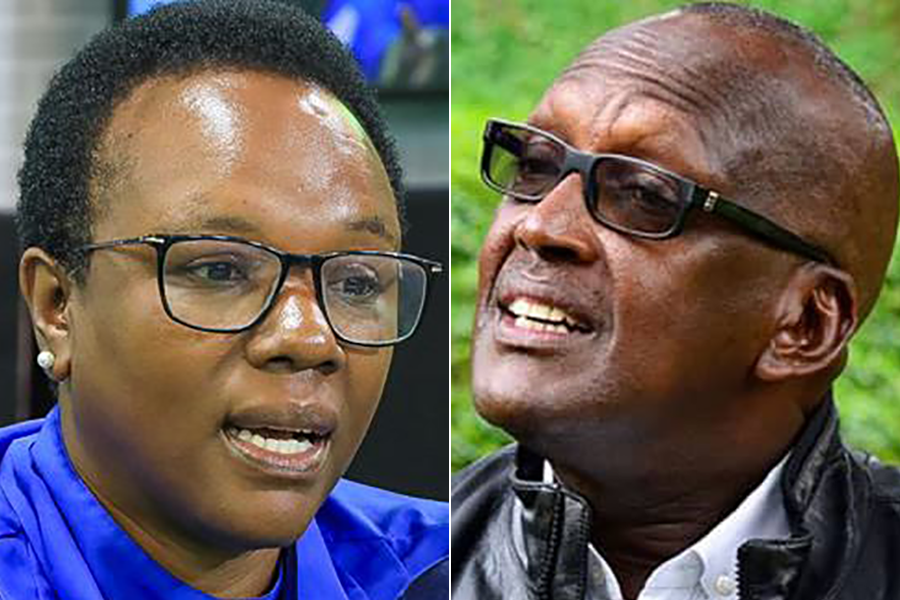
Leading the race is former presidential candidate Lt Gen Henry Tumukunde, who is seeking a return to elective politics as the National Resistance Movement (NRM) flag bearer.
Tumukunde has anchored his campaign on experience, stability, and service delivery, appealing to voters who believe that Rukungiri deserves stronger representation from within the ruling establishment.
Also in the race is seasoned activist Ingrid Turinawe, contesting under the People’s Front for Freedom (PFF) ticket.
Known for her fiery activism and multiple arrests over the years, Turinawe has injected renewed energy into opposition politics, rallying supporters who see her as a fearless defender of democracy.
She remains the only woman in the contest — a factor that has amplified her visibility and appeal.
After losing the PFF flag to Turinawe, Dr Walken Nuwagaba Tumwine opted to run as an independent, a move that has introduced new intrigue, especially among PFF-leaning voters.
Another independent, Richard Akanyijuka, has also thrown his hat into the ring, emphasizing grassroots mobilization and personal networks in a constituency where local influence often rivals party affiliation.
Rukungiri Municipality is not just another electoral battleground — it is a political symbol.
Over the years, it has produced some of Uganda’s most influential political figures, notably Dr Kizza Besigye, and has remained a nerve center of opposition movements. This legacy continues to shape voter sentiment and political alignment.
A recurring theme in this election, dubbed by locals as the “Besigye Detention Factor,” centres on the emotional and political weight of Besigye’s repeated arrests and confrontations with the state.
His experiences have forged lasting perceptions of fairness, justice, and loyalty among Rukungiri voters, influencing how many interpret contemporary politics.
With the formal campaigns kicking off on Monday, the Rukungiri Municipality parliamentary race stands as one of Uganda’s most closely watched contests.
Between the influence of established political heavyweights, the persistence of independents, and the enduring pull of opposition identity, the outcome remains far from certain.
What is clear, however, is that Rukungiri once again offers Uganda a political stage where history is not merely recalled — but actively rewritten.
